The most important things to know
- Cold therapy activates the sympathetic nervous system and releases noradrenaline
- The heat + cold combination (contrast therapy) is documented to reduce muscle soreness
- The Wim Hof Method and Andrew Huberman's protocols have made cold therapy mainstream
- Recommended temperature for an ice bath: 10-15°C for 2-5 minutes
- Heat Studio offers a cold plunge as part of the saunagus ritual
What is cold therapy?
Cold therapy, also called cold water immersion (CWI) or cryotherapy, is a practice where the body is exposed to cold water or cold air for a controlled period. It ranges from cold showers and ice baths to professional cryo-chambers.
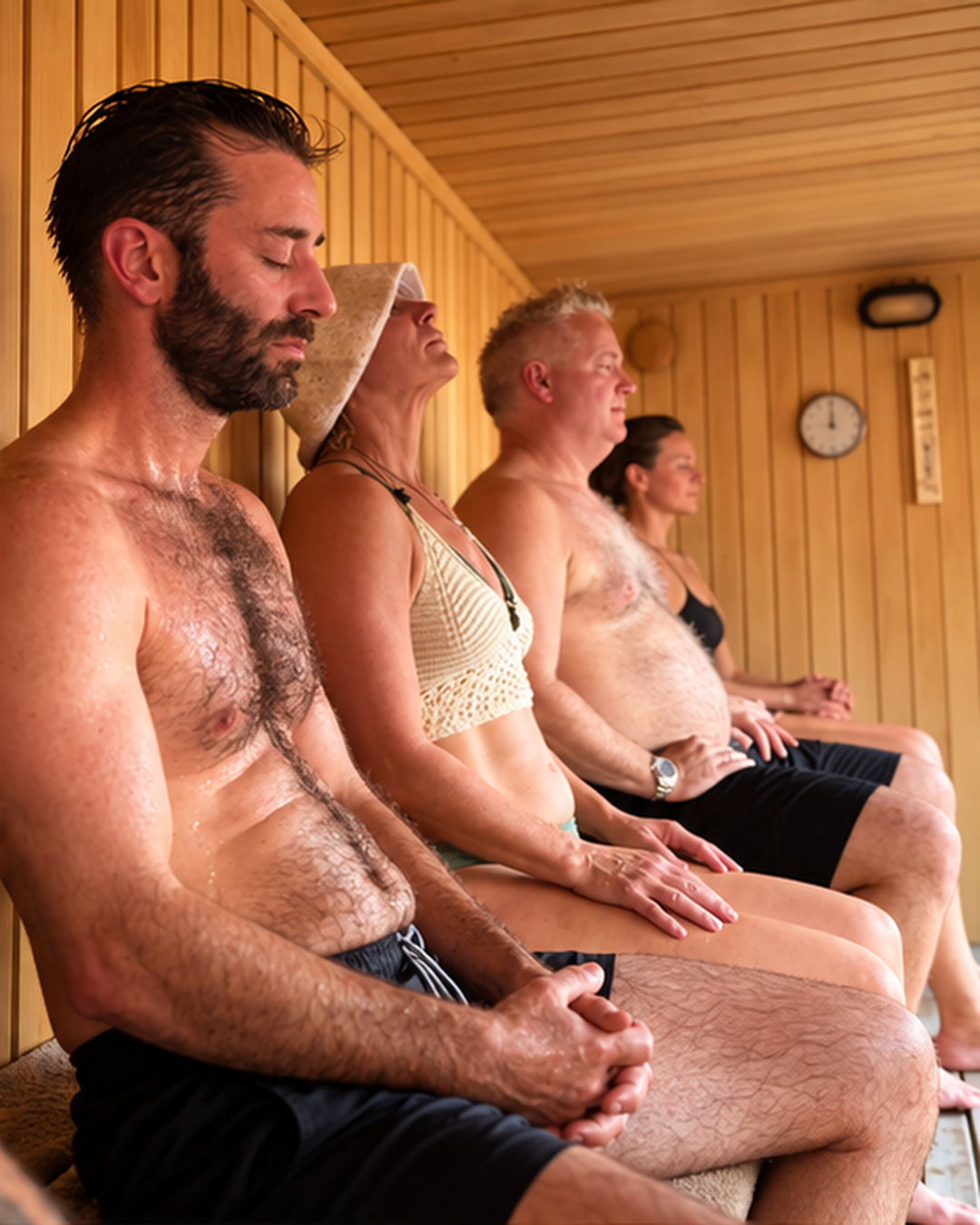
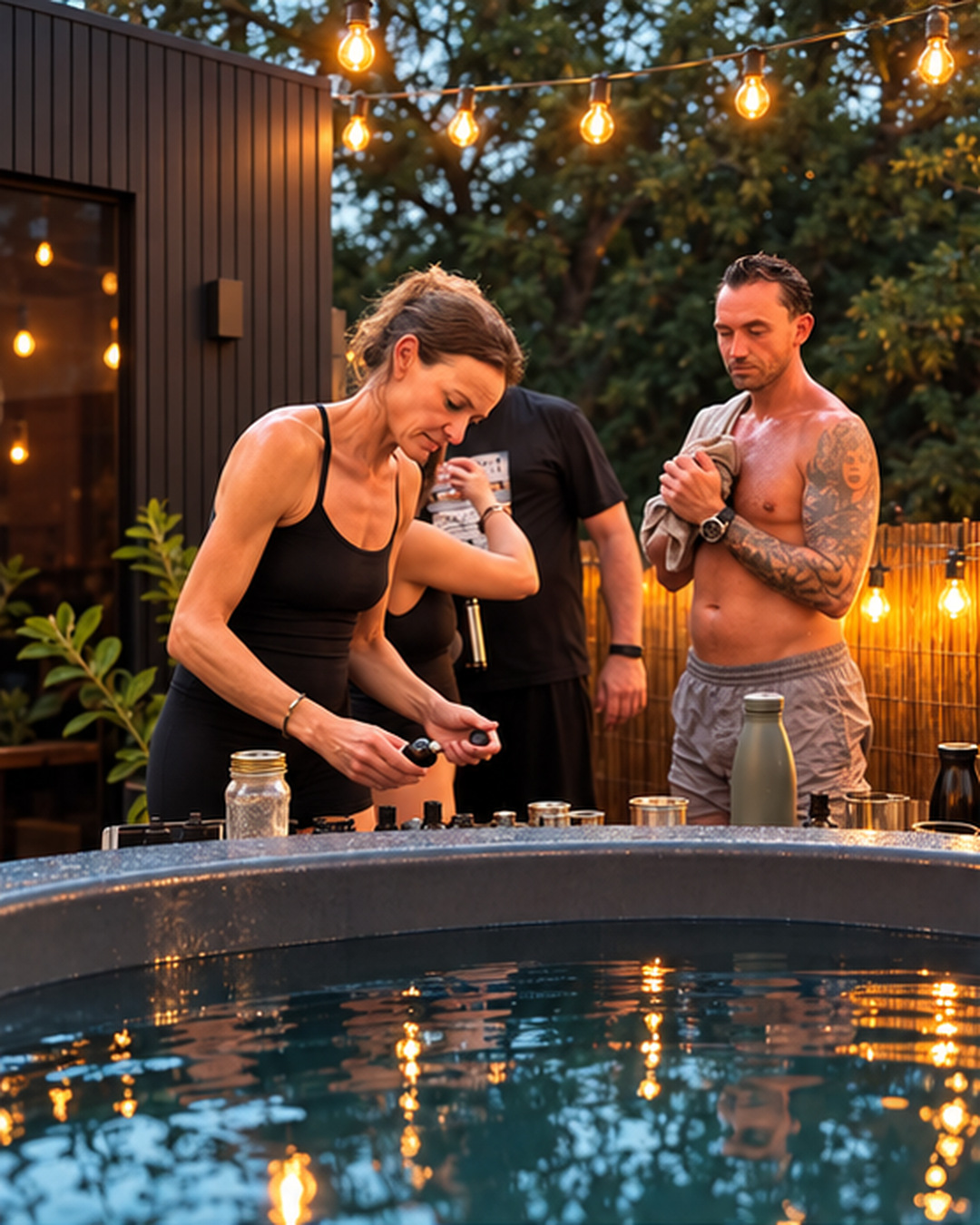
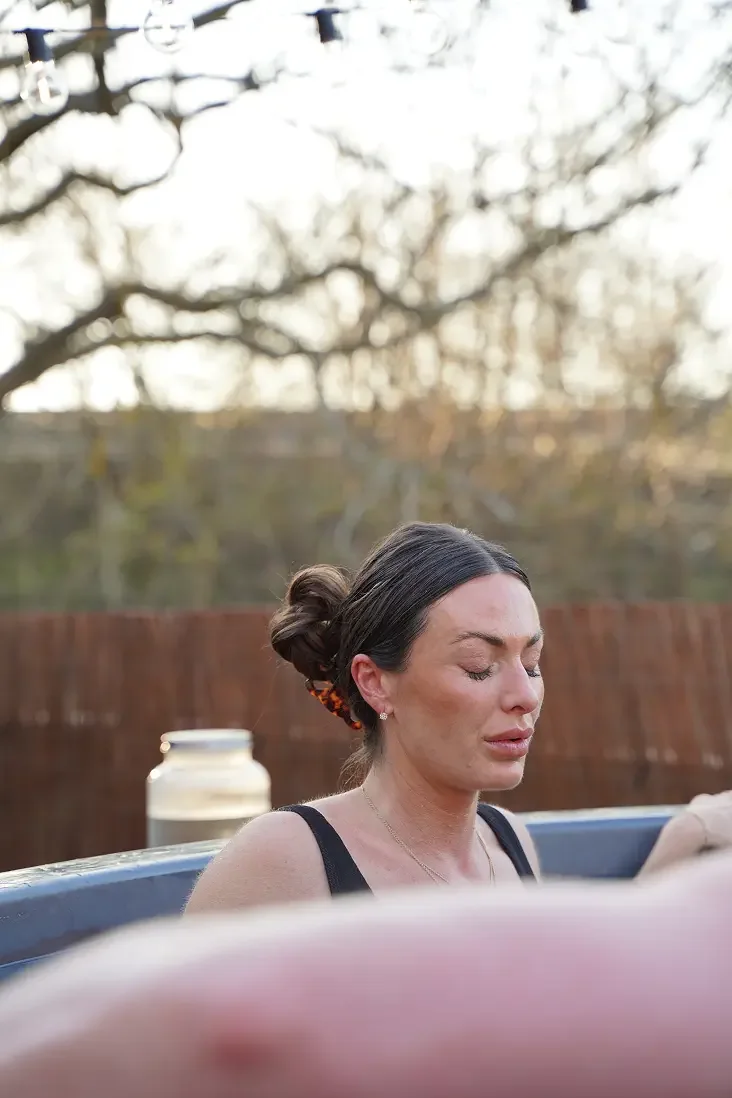
In Nordic bathing culture, cold therapy has always been a natural part of the ritual: after the sauna you jump into a lake, a fjord or a cold tub. At Heat Studio, the cold plunge is integrated as an important element in our saunagus ritual.
What happens in your body?
When the body is exposed to cold water, a cascade of physiological reactions follows:
- Vasoconstriction: Blood vessels narrow to preserve heat in the body's core.
- Noradrenaline release: The brain releases large amounts of noradrenaline, a neurotransmitter linked to focus, energy and mood regulation. Research shows increases of up to 300%.
- Activation of the sympathetic nervous system: The body enters a "fight or flight" state, which increases alertness and mental sharpness.
- Dopamine boost: Studies show that a cold plunge can raise dopamine levels by up to 250%, and the effect lasts for hours.
The science behind cold therapy
Muscle recovery
A 2016 meta-analysis (Bleakley et al.) concluded that a cold plunge significantly reduces muscle soreness (DOMS) after intense training compared to passive rest. The effect is especially pronounced when the plunge takes place within 1 hour after training.
Mental health
A randomised controlled trial from Radboud University (2022) showed that daily cold showers reduced sick leave by 29% and significantly improved self-reported energy levels.
The immune system
A Dutch study (Kox et al., 2014) showed that participants who practised breathing techniques combined with cold therapy produced fewer inflammatory cytokines and experienced milder symptoms when injected with bacterial endotoxin.
Metabolism
Cold activates brown adipose tissue (BAT), which burns calories to produce heat. Regular cold therapy can increase the amount of active brown fat and improve insulin sensitivity.
Contrast therapy: Heat + Cold
The most effective protocol combines heat and cold in alternating cycles, what we call contrast therapy. That is exactly what the saunagus ritual offers:
| Phase | Temperature | Duration | Effect |
|---|---|---|---|
| Sauna (rounds 1-3) | 80-100°C | 10-15 min | Increased blood flow, sweating |
| Cold plunge | 10-15°C | 2-5 min | Vasoconstriction, noradrenaline boost |
| Rest | Room temperature | 5-10 min | Parasympathetic activation, relaxation |
This cycle is typically repeated 2-3 times per session and creates a strong "pumping effect" in the circulation.
Wim Hof and Andrew Huberman: Cold therapy in the mainstream
Two names have made cold therapy a global phenomenon:
Wim Hof ("The Iceman") has demonstrated extraordinary control over the body's response to cold and has inspired millions to experiment with ice baths and breathing techniques. Andrew Huberman, a neurobiologist at Stanford University, recommends in his popular podcast 11 minutes of cold water immersion per week (split across 2-4 sessions) as one of the most effective interventions for mental and physical health.Get started with cold therapy
If you're new to cold therapy, here is a progressive approach:
- Week 1-2: Finish your daily shower with 30 seconds of cold water.
- Week 3-4: Increase to 1-2 minutes of cold water.
- Month 2: Try a cold plunge (10-15°C) for 2-3 minutes.
- Ongoing: Combine with saunagus for the full contrast therapy effect.
Cold therapy at Heat Studio
At Heat Studio, the cold plunge is an integral part of our saunagus ritual. We offer a cold plunge at around 12-15°C, and our gusmestre guide you through the optimal protocol for heat and cold.
Sources
- Bleakley CM et al. (2012). "Cold-water immersion (cryotherapy) for preventing and treating muscle soreness after exercise." Cochrane Database of Systematic Reviews.
- Kox M et al. (2014). "Voluntary activation of the sympathetic nervous system and attenuation of the innate immune response." PNAS.
- Huberman Lab Podcast, Episode 66: "Using Deliberate Cold Exposure for Health and Performance."
- van Marken Lichtenbelt WD et al. (2009). "Cold-activated brown adipose tissue in healthy men." NEJM.